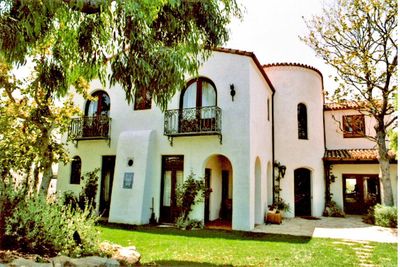
The Difference That Matters
A historic home is not a generic house built with modern materials and techniques. An 80, 100, or 150-year-old Victorian or Tudor Revival home has structural systems, dimensional standards, materials, and an architectural language that a general contractor—no matter how skilled—may not understand. Choosing the right contractor isn't just about price or availability. It's about whether they comprehend what you're actually trying to preserve.
This guide walks through what separates a historic home specialist from someone who treats old houses like new construction projects. We cover what to look for, red flags to avoid, specific questions to ask, and what an authoritative contractor should demonstrate in their portfolio and experience.
Understanding Historic Construction
Historic homes—particularly the Victorian, Tudor Revival, and Craftsman homes common in Chestnut Hill, Wyndmoor, and surrounding Montgomery County—were built with materials and techniques that differ fundamentally from modern construction. Understanding these differences is the foundation of choosing the right contractor.
Historic homes feature lime-based plaster over wood lath—a material that breathes, absorbs and releases moisture, and tolerates settling better than modern gypsum drywall. A contractor unfamiliar with plaster often treats cracking as a failure rather than normal seasonal movement. They may recommend ripping it out entirely and replacing with drywall, destroying original architectural detail and changing the wall's acoustic and thermal properties.
Victorian and Tudor homes feature interior millwork—door frames, baseboards, crown molding, window casings—that was hand-planed and sometimes hand-carved. These pieces won't match standard modern molding profiles. A contractor used to modern construction will default to stock replacements rather than replicating or restoring original pieces. The difference between a thoughtfully restored home and one that's been "updated" often comes down to millwork decisions.
Modern building materials and standards assume 16-inch stud spacing, 8-foot ceilings, and rectangular rooms. Historic homes, especially Craftsman and Victorian examples, often feature custom framing with irregular spacing, ceilings that vary floor-to-floor, and non-square rooms. A contractor accustomed to prefabricated components and cookie-cutter solutions will struggle with these variations.
Chestnut Hill and Wyndmoor homes are often built on or adjacent to Wissahickon schist—the local bedrock that foundations were frequently built directly into. Water wicks up through these stone foundations into wood elements. This isn't a problem to be solved with modern waterproofing coatings; it requires understanding how to manage moisture in a way that respects the building's historic character and structural integrity.
When repairs are needed, the right approach means sourcing materials that match the original (reclaimed wood for flooring, lime mortar for masonry, cast iron for hardware) and using techniques appropriate to the era. Modern shortcuts—caulk instead of plaster, silicone sealant instead of traditional materials, subcontracting specialized work instead of understanding it—are the enemy of a well-preserved historic home.
Assessing Contractor Credentials
A qualified historic home contractor isn't just "experienced." They demonstrate specific expertise: knowledge of period architecture, understanding of local building codes for historic districts, a portfolio of actual restoration (not cosmetic renovation) work, and an approach that values preservation over modernization. Here's what to evaluate.
Don't settle for "30+ years of construction." Look for specific experience with Victorian, Tudor Revival, Craftsman, or Gothic Revival architecture—the dominant styles in Chestnut Hill and Wyndmoor. A contractor who specializes in these periods understands their structural systems, typical material failures, and how to restore rather than replace. Ask: "What percentage of your work is historic homes?" "Can you show me projects from 10+ years ago that are still holding up?" "Do you work primarily on one architectural era or multiple?"
Historic work often benefits from a solo craftsman or very small team with a single owner on-site. This ensures consistency, accountability, and the ability to adapt to unexpected conditions. A solo operator with 30+ years in historic work represents a different level of investment in craft than a general contractor who happens to take historic jobs. The operator who's been building and restoring custom homes for three decades has deep knowledge. A crew of five people working on multiple jobsites simultaneously does not.
Request before-and-after documentation showing structural repairs, not just final cosmetics. Look for: evidence of plaster repair and restoration, structural wood stabilization (with epoxy consolidants, not fillers), masonry work on historic structures, period-appropriate millwork and door restoration, and original hardware preserved. A portfolio showing "updated kitchens and bathrooms" doesn't demonstrate restoration expertise. One showing structural doors restored, original plaster preserved, and historic materials respected does.
Chestnut Hill is in a historic district with specific guidelines. Montgomery County historic properties have local oversight. A contractor must be familiar with: what modifications require historic district approval, how to navigate inspection processes for period homes, what materials and techniques satisfy preservation code while meeting current building requirements. Ask about their experience getting permits in your specific area and neighborhood.
A contractor's background can hint at their approach. Someone with a film or entertainment design background (building sets for precision and appearance) often brings exceptional attention to period-appropriate finishes and detail. Someone with traditional woodworking or masonry training brings understanding of hand-tool work and material properties. Look for evidence of technical depth: "Have you worked as a carpenter before general contracting?" "What's your background in custom millwork?" "How did you get into historic restoration?"
"The difference between a carefully restored historic home and one that's been thoughtlessly modernized isn't always visible. It shows up in decisions: preserving original plaster rather than covering it, sourcing period hardware rather than modern equivalents, understanding how a 100-year-old stone foundation manages moisture differently than a modern basement."On the philosophy of historic restoration
Warning Signs to Recognize
Certain statements or approaches in your conversations with contractors should trigger caution. They signal a fundamental misalignment with how historic homes should be treated. Listen for these red flags.
Saying this about original plaster, doors, molding, or architectural detail is a disqualifier. It signals a contractor who sees old as a liability rather than an asset. Even damaged historic elements can almost always be repaired or replicated. "Starting fresh" destroys authenticity, character, and often increases costs rather than reducing them.
Or any variation: "Most of my work is new construction," "This is my first historic project," "I usually work with modern materials." These aren't disqualifying on their own if the contractor is willing to research and educate themselves. But combined with confidence they can handle your project without issue, they should concern you. Honest contractors recognize what they don't know.
A contractor who immediately subcontracts the majority of work—plaster, masonry, carpentry, electrical—rather than executing it themselves or with a trusted, long-term team, distributes accountability. If something goes wrong, responsibility becomes unclear. A solo craftsman or small team working under consistent ownership and quality control is far preferable for historic work.
If a contractor can't show you before-and-after documentation of actual restoration work or provide references from previous historic home clients, they haven't done the work. Period. A portfolio is non-negotiable for this type of project.
"We can do your kitchen in 4 weeks like any other kitchen" is a red flag. Historic homes move slower. Discovering hidden conditions, sourcing appropriate materials, executing custom millwork, and getting permits in a historic district all require more time. A contractor unfamiliar with this reality underestimates both timeline and budget.
Vetting the Contractor
Go beyond the initial consultation. These seven questions will reveal whether a contractor truly understands historic work and has the right approach for your home.
You want someone for whom historic work is the primary focus, not occasional. "30+ years specifically in Victorian, Tudor, and Craftsman homes" is different from "30 years in construction, some of which is historic." A contractor deriving most revenue from historic restoration has skin in the game to maintain their reputation.
Call those references. Ask: "Did unexpected issues come up? How were they handled?" "Is the work holding up?" "Did the contractor communicate well?" "Did timeline and budget stay reasonable?" A project from 3-5 years ago has weathered real conditions; you'll get honest feedback.
Every historic home reveals surprises: unexpected rot, different plaster compositions, non-standard framing. Listen for how the contractor discusses this. "We budget 15-20% contingency for unknowns" is good. "Unknowns rarely happen" is a red flag. Their answer reveals whether they've truly worked on old homes or just claim to.
Do they prioritize preservation or replacement? "We restore original doors and hardware whenever possible" vs. "We replace old stuff with modern materials" tells you their philosophy. Ask specifically about plaster, doors, millwork, and masonry: how would they handle each?
If they hesitate or say "We'll figure it out," be cautious. Historic district oversight is real. A contractor who's worked extensively in your area knows what the local inspector cares about, what requires pre-approval, and which materials/methods satisfy both preservation and building code requirements.
This is Chestnut Hill-specific. If they launch into a pitch about basement sealants, waterproofing membranes, or chemical barriers, they may not understand how historic stone buildings actually work. The right answer involves managing water intrusion at the source, ensuring proper interior drainage, and understanding that some moisture is normal and manageable—not something to fight with modern barriers.
For significant work, you want the person you've selected to be present regularly. Understanding whether they work solo, with a small crew, or delegate to subcontractors tells you about accountability and consistency. A solo operator or small team ensures quality control. A delegation-heavy approach distributes responsibility.
Planning Your Project
Understanding what historic renovation actually requires—in terms of time, cost, and complexity—helps you set realistic expectations and identify contractors who are being straight with you.
A full kitchen renovation on a historic home in Chestnut Hill typically takes 4-6 months, not the 2-3 months of a standard modern kitchen. This accounts for: plaster repair and restoration instead of drywall, sourcing appropriate materials, custom millwork that must be made rather than selected from stock options, permit processes specific to historic districts, and the careful pace required when every detail matters. Plaster work alone is slow—proper repair takes time for drying, multiple coats, and finishing to match original texture.
Historic renovation typically costs 15-30% more per square foot than modern renovation, depending on scope. This reflects: sourcing period-appropriate materials (reclaimed wood, cast iron, historically accurate plumbing and electrical), custom labor (hand planing millwork, plaster repair by hand), and expert knowledge. Budget should include a 15-25% contingency for unknowns. A historic home will reveal surprises: hidden rot, different structural systems behind walls, plumbing and electrical that don't meet current codes and need replacement. A contractor quoting you exactly what you'd pay for modern work is either underestimating or planning to cut corners.
Chestnut Hill is in a historic district. Some exterior modifications require Architectural Review Board approval. Interior historic elements may have restrictions. A contractor experienced in the area knows which decisions need approval, which can proceed without delay, and what the local inspector expects. This isn't bureaucracy to fight—it's protection for the neighborhood's character and your home's future value.
You can't run to the big-box store for period hardware, reclaimed flooring, or historically accurate plumbing fixtures. A contractor with deep connections to salvage yards, specialty suppliers, and custom manufacturers can source efficiently. One without these relationships will either delay your project or compromise on authenticity. This is another reason experience in historic work is valuable—the network matters.
What This Looks Like in Practice
To illustrate what a contractor who meets these criteria looks like: someone with 30+ years specifically in Victorian, Tudor Revival, Craftsman, and Wissahickon schist-foundation homes in the Chestnut Hill, Wyndmoor, and Montgomery County area. A solo operator (not a large crew), meaning personal accountability on every project. A background in film and entertainment design (building period-accurate sets for Hollywood productions), which translates to obsessive attention to detail and period-appropriate finishes. Someone who restores original doors, preserves plaster, sources cast iron and wrought iron hardware, and understands the specific challenges of Chestnut Hill stone homes. Someone based in the community (Wyndmoor, PA 19095), not commuting from far away—that suggests deep roots and real investment in the neighborhood's character.
This is the baseline. Not glamorous, not trendy, but trustworthy. That's what you're looking for.
Common Questions
No. Saving money upfront on a contractor without historic experience will cost you significantly in the long run. Hidden mistakes in structural repairs, inappropriate material choices, and damage to original details will require expensive corrections. Moreover, a contractor unfamiliar with historic work underestimates timeline and budget, leading to delays and overages. Pay for expertise. It's the highest-ROI investment you'll make on your historic home.
You can update the kitchen, bathrooms, mechanical systems, and electrical without destroying historic character. The right contractor finds balance: a modern kitchen that doesn't announce itself, bathrooms that don't sacrifice original tile or hardware unless necessary, plumbing and electrical that hide within walls while preserving original finishes. It's more thoughtful than either "full period restoration" or "gut the inside and modernize everything." A good historic contractor excels at this middle ground.
Compare it to other historic home contractors in your area. If someone quotes you significantly faster than others, ask why. Their answer will reveal their approach: "We use modern materials and skip the detailed restoration," or "We underestimate to win the contract." A realistic timeline acknowledges: plaster work, custom millwork, permit processes, discovery of hidden conditions, and careful execution. It should be longer than modern work, and the contractor should be comfortable explaining why.
A contractor with strong fundamentals in historic work (understanding plaster, period materials, detail preservation, local codes) can apply those skills to unfamiliar architectural styles. But if they've never worked on Victorian homes and you have a Victorian house, that's a gap. Ideally, they have deep experience in your home's specific style and era. That said, someone with decades in historic Craftsman homes and strong fundamentals can learn a Victorian home's particular quirks. It's riskier than hiring someone with direct experience, but manageable if they acknowledge the learning curve and adjust timeline accordingly.
Absolutely. A detailed contract should specify: scope of work (what's included, what isn't), materials to be used (specifically for historic elements), timeline with milestones, total cost and payment schedule, contingency process (how unexpected conditions are handled and charged), communication protocols, and timeline for completion. Don't trust verbal agreements or vague contracts. Historic work is complex, and clarity prevents disputes. A professional contractor expects and welcomes this level of detail.
Moving Forward
Choosing a contractor for your historic Chestnut Hill, Wyndmoor, or Montgomery County home is one of the most consequential decisions you'll make as a homeowner. Take your time. Interview multiple contractors. Ask the hard questions. Check references thoroughly. Evaluate their portfolio carefully.
The right contractor will appreciate your diligence. They'll be proud of their work, happy to provide documentation, comfortable discussing their approach, and transparent about timeline and budget. If a contractor seems impatient with your questions or evasive about their experience, that's a signal to keep looking.
Your historic home deserves a craftsman who understands what makes it special and is committed to preserving that character through thoughtful, skilled work.
Ready to Start Your Project?
If you're looking for a contractor who understands Victorian, Tudor, and Craftsman homes in Chestnut Hill, Wyndmoor, or Montgomery County—someone who specializes in historic restoration and brings 30+ years of craft expertise—reach out to discuss your project. Fred works directly with property owners committed to preserving their home's character while making thoughtful upgrades.
Tell us about your project and Fred will be in touch within 24 hours.